Weather Resistance: Why Awning Windows Perform Well in Melbourne
Table Of Contents
Installation Considerations
Awning windows are designed for versatility and ensuring proper installation is crucial. When positioning these windows, consider factors such as the home's orientation and the common wind patterns in Melbourne. By installing them in a way that maximises natural ventilation, homeowners can significantly enhance indoor air quality while minimising direct exposure to rain. It is advisable to consult local building codes to ensure compliance and avoid potential issues down the line.
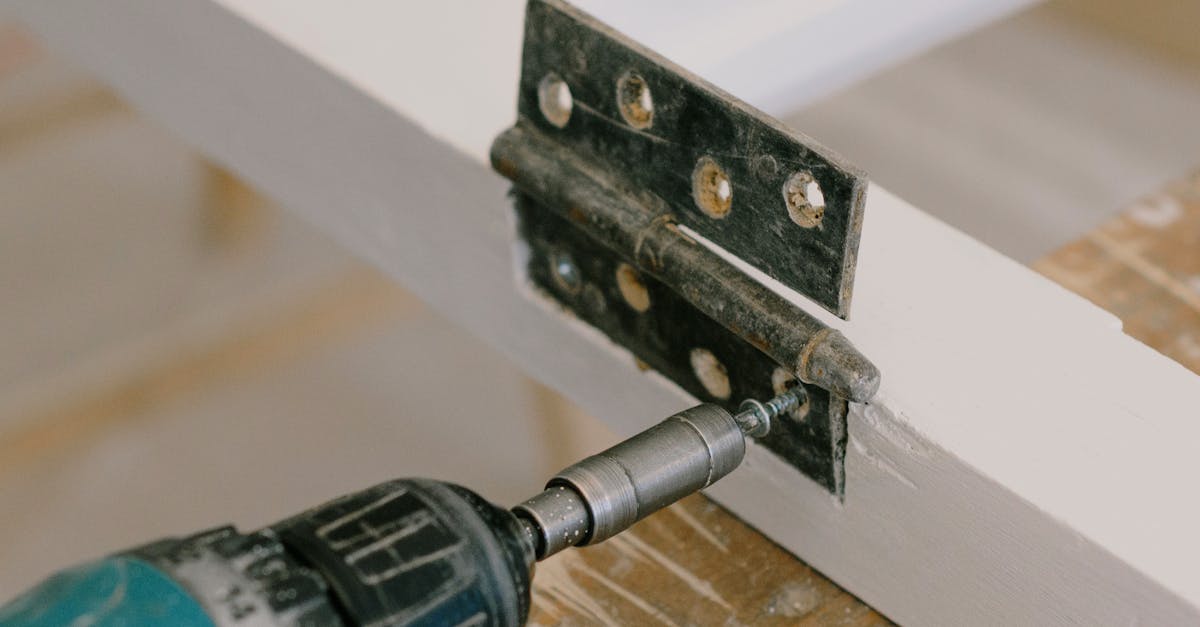
Accurate measurements play a vital role in the installation process. Begin by checking the window frame's dimensions, making adjustments as needed to ensure a snug fit. Utilising high-quality materials and following the manufacturer's guidelines will enhance performance and prevent future problems. Proper sealing around the edges can also mitigate potential leaks and drafts, further contributing to the durability of the installation.
Best Practices for Optimal Performance
To ensure awning windows perform at their best, proper installation is crucial. Positioning the windows to achieve the best pitch allows rain to run off instead of pooling at the frame. Sealing all joints with high-quality weatherproofing materials prevents air and water leaks, which can compromise energy efficiency. Additionally, considering the placement of awning windows can enhance ventilation while providing protection from direct rain, especially in Melbourne’s diverse climate.
Regular maintenance also plays a significant role in maximising window performance. Cleaning the frames and glass regularly removes dirt and debris that may obstruct the opening mechanism. Lubricating hinges and checking the seals for wear helps to maintain functionality over time. It is essential to inspect for any signs of damage after severe weather events and address repairs promptly, ensuring the longevity of the windows while maintaining their efficiency.
Maintenance Tips for Longevity
Regular maintenance of awning windows is essential to ensure their longevity and functionality. Start by cleaning the frames and glass at least twice a year to prevent dirt and grime buildup. A gentle detergent mixed with warm water is usually adequate for this task. Pay special attention to moving parts, such as hinges and operable mechanisms, as these components can accumulate debris, hindering smooth operation.
Inspect the seals around the windows for any signs of deterioration or damage. It’s important to address any gaps or cracks promptly, as they can lead to drafts and unwanted moisture entering your home. Lubricate hinges and tracks with a silicone-based lubricant to enhance ease of operation and prevent wear and tear. Taking these steps will not only maintain the aesthetic appeal of your awning windows but also extend their functional lifespan.
Keeping Awning Windows in Top Shape
Regular cleaning is essential to maintain the appearance and functionality of awning windows. Dust and debris can accumulate on the frames and mechanisms, potentially leading to operational issues. Using a soft cloth and a mild detergent can help remove stubborn grime without damaging the surface. It is advisable to inspect the seals and weather stripping periodically, ensuring they are intact and free from deterioration. This proactive approach will help prevent water intrusion and maintain energy efficiency.
Lubrication of the hinges and operating mechanisms is another key aspect of upkeep. Over time, these components can become stiff or squeaky, hindering smooth operation. Applying a light lubricant, such as silicone spray or a similarly appropriate product, can enhance performance and prolong the lifespan of the window. It is also beneficial to monitor for signs of rust or corrosion, particularly in coastal areas, and address any issues promptly to safeguard the integrity of the window structure.
Comparing Awning Windows to Other Types
Awning windows offer unique advantages over traditional sliding or double-hung windows, especially in terms of ventilation and weather resistance. Their design allows them to be opened outward from the bottom, which means they can be left open during rain. This feature prevents water from entering while still allowing fresh air circulation. In contrast, sliding and double-hung windows may struggle to provide similar airflow when weather conditions are less than ideal.
When considering energy efficiency, awning windows typically outperform many other window styles. They create a tight seal when closed, minimising air leakage. This characteristic makes them particularly effective in maintaining indoor temperatures, which is crucial for homes in Melbourne's fluctuating climate. However, sliding windows can offer greater flexibility in terms of size and aesthetics. Each style presents its own benefits and drawbacks, ultimately catering to different preferences in functionality and design.
Pros and Cons of Various Window Styles
Each window style offers unique advantages and disadvantages, affecting both aesthetics and functionality. Awning windows excel in ventilation, allowing fresh air in even during rain, which is essential for Melbourne's unpredictable weather. Their exterior hinge design creates a weather-resistant seal. However, they may not suit every architectural style, and their position can limit accessibility for cleaning.
On the other hand, sliding windows are popular for modern homes due to their ease of use and space-saving design. They provide a broad view and can enhance natural light in living spaces. Yet, these windows can trap dirt in their tracks, making maintenance a task. Double-hung windows offer versatility in ventilation but can be less energy-efficient than their awning counterparts, especially if not properly sealed. Each style presents a balance between usability and upkeep, making careful consideration key.
FAQS
What are awning windows?
Awning windows are hinged at the top and open outward from the bottom, allowing for ventilation while providing protection from rain and wind.
Why are awning windows ideal for Melbourne's climate?
Awning windows are designed to withstand the various weather conditions in Melbourne, including rain and strong winds, while still allowing for airflow.
How do I properly install awning windows?
It is essential to follow manufacturer guidelines during installation, ensuring proper sealing and alignment to maximise performance and weather resistance.
What maintenance do awning windows require?
Regular cleaning of the glass and frames, along with checking seals and hinges for wear, will help maintain the longevity and performance of awning windows.
How do awning windows compare to other window types?
Awning windows offer unique advantages like enhanced ventilation and weather resistance compared to sliding or double-hung windows, although each style has its own pros and cons.
Related Links
Stylish Awning Window Designs for Contemporary Australian ArchitectureThe Advantages of Installing Awning Windows in Your Melbourne Home
Energy Efficiency of Awning Windows in the Australian Climate
Tips for Maintaining Awning Windows Throughout the Year
Choosing the Right Size for Awning Windows in Your Home Renovation
How Awning Windows Can Improve Airflow in Melbourne's Climate
Innovative Mechanisms in Modern Awning Window Designs
The Best Materials for Durable Awning Windows in Melbourne